I work across scales.
Climate strategy, Earth observation, design, photography and fieldwork.
From buildings
to satellites
to reefs.
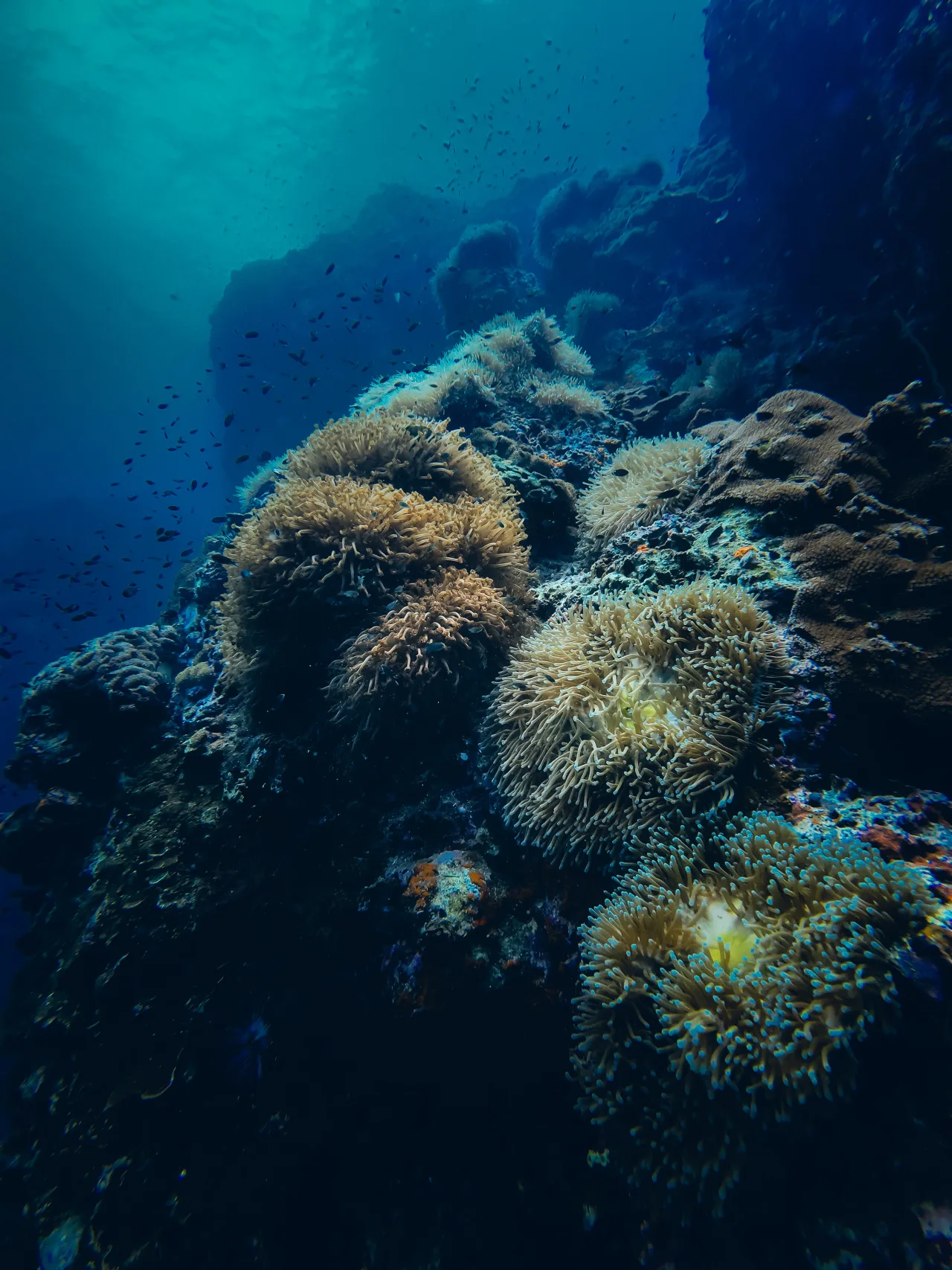
I do the calculations and the storytelling.
A design degree and a master's in sustainable development, in the same person. I map operational emissions, work through climate compliance and policy, and then make the result legible: strategy, infographics, branding, film. Impact storytelling that does not lean on greenwashing, and the discipline to tell the difference.
Buildings, and what they owe the climate.
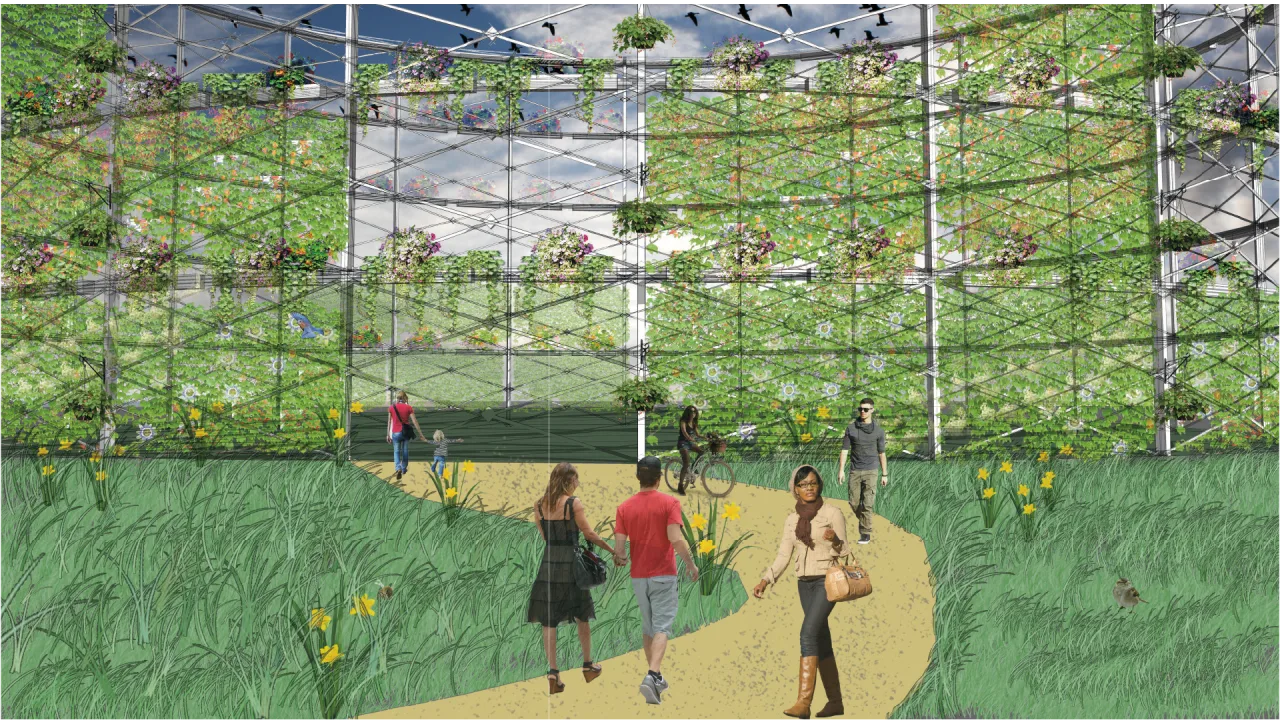
Many years in the built environment. At Gensler Europe: ESG strategy and reporting across major refurbishments (Ten Gresham Street is one, highlighted), the firm's own operational carbon reporting, sustainability compliance for a large-scale urban development in the Middle East, and film. And from the degree at UAL: speculative design for what a listed gasholder could become.
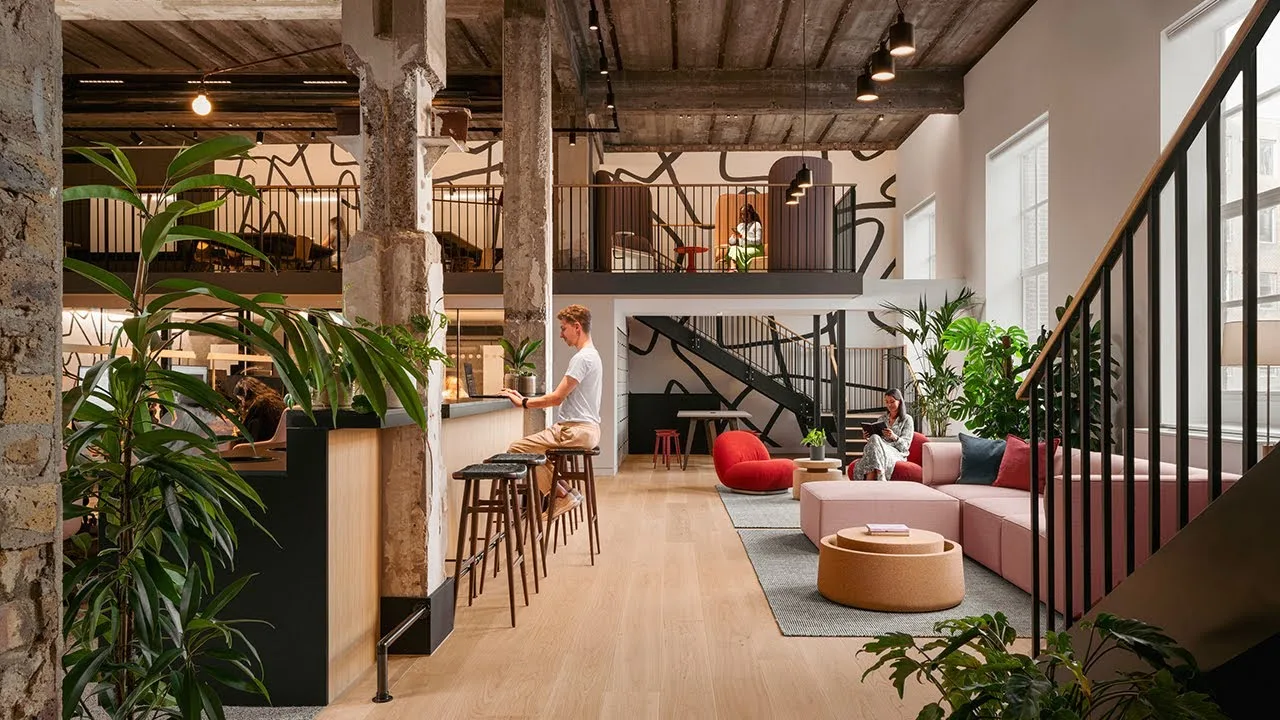
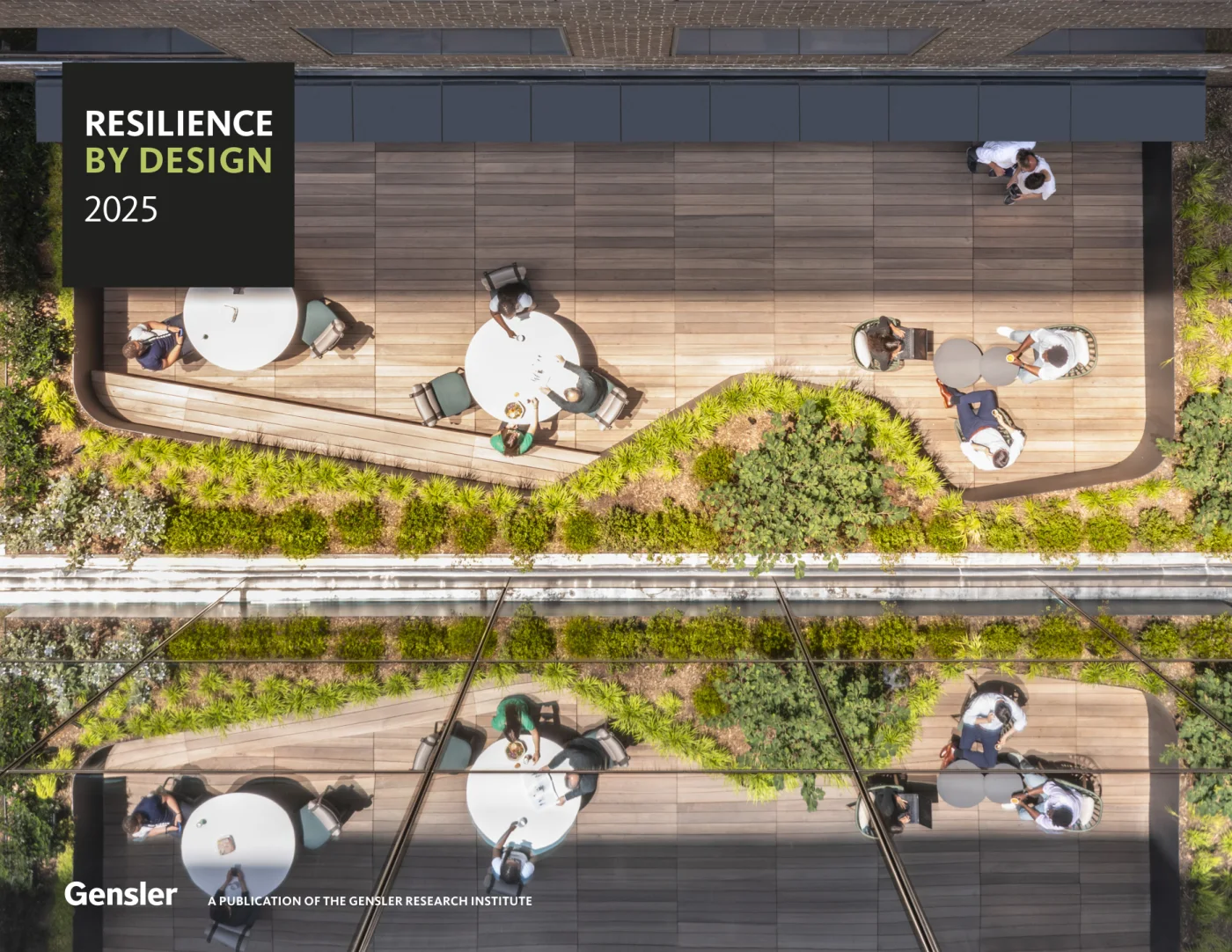
The most sustainable building is one that is already built.
Every project, 2017 to now.
Earth observation, and the people expected to use it.
I work on the layer between technical Earth-observation infrastructure and the people expected to use it — shaping stakeholder strategy, visual systems, digital experiences and participation around new tools and workflows.
thriveGEO, end to end.
thrivegeo.comThe digital design system across the company's public face: positioning, structure, copy and interface, from the landing page to the programme pages for a learning course, a continent-wide challenge and a community competition. Choose a page to see it as built.
GenAI for Geospatial Challenge, EMEA.
How do you tell one story about fourteen completely different visions of GeoAI? The end-of-challenge report, designed and written so technically dissimilar prototypes could sit side by side.
The obstacle is rarely the science. What stops Earth observation travelling is discoverability, documentation, onboarding, and whether someone outside the originating institution can reach a useful result without a month of setup.
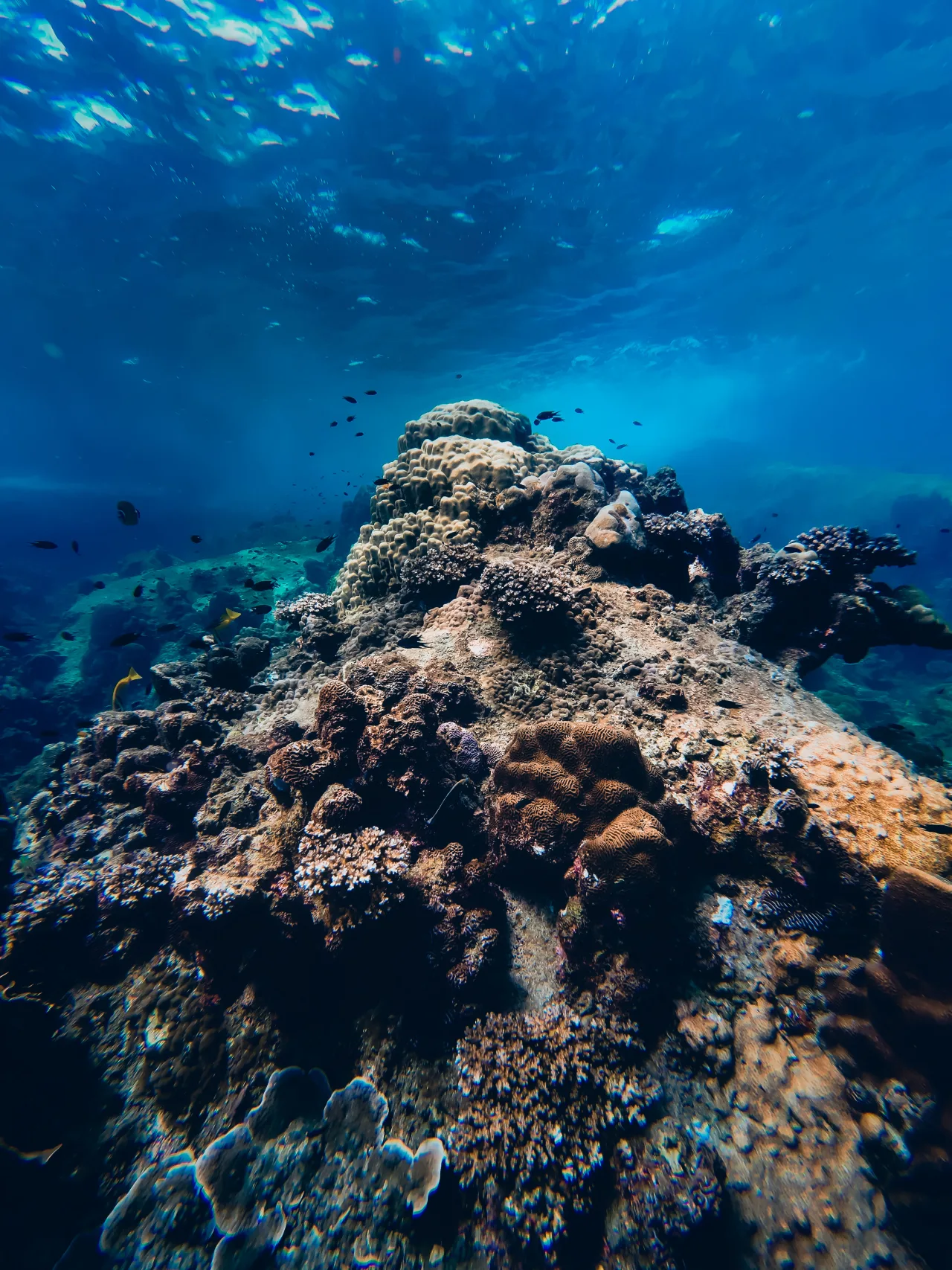
Some landscapes
have to be entered.
First, learn to look.
Coral restoration sounds technical, and many parts of it are. But while learning not to cause more damage in the first place, much of the work is surprisingly low-tech: slates, surveys, mapping, brushes and zip ties. You don't need to have studied marine biology (insane respect if you have) to start understanding the basics. You do need time, training and attention.
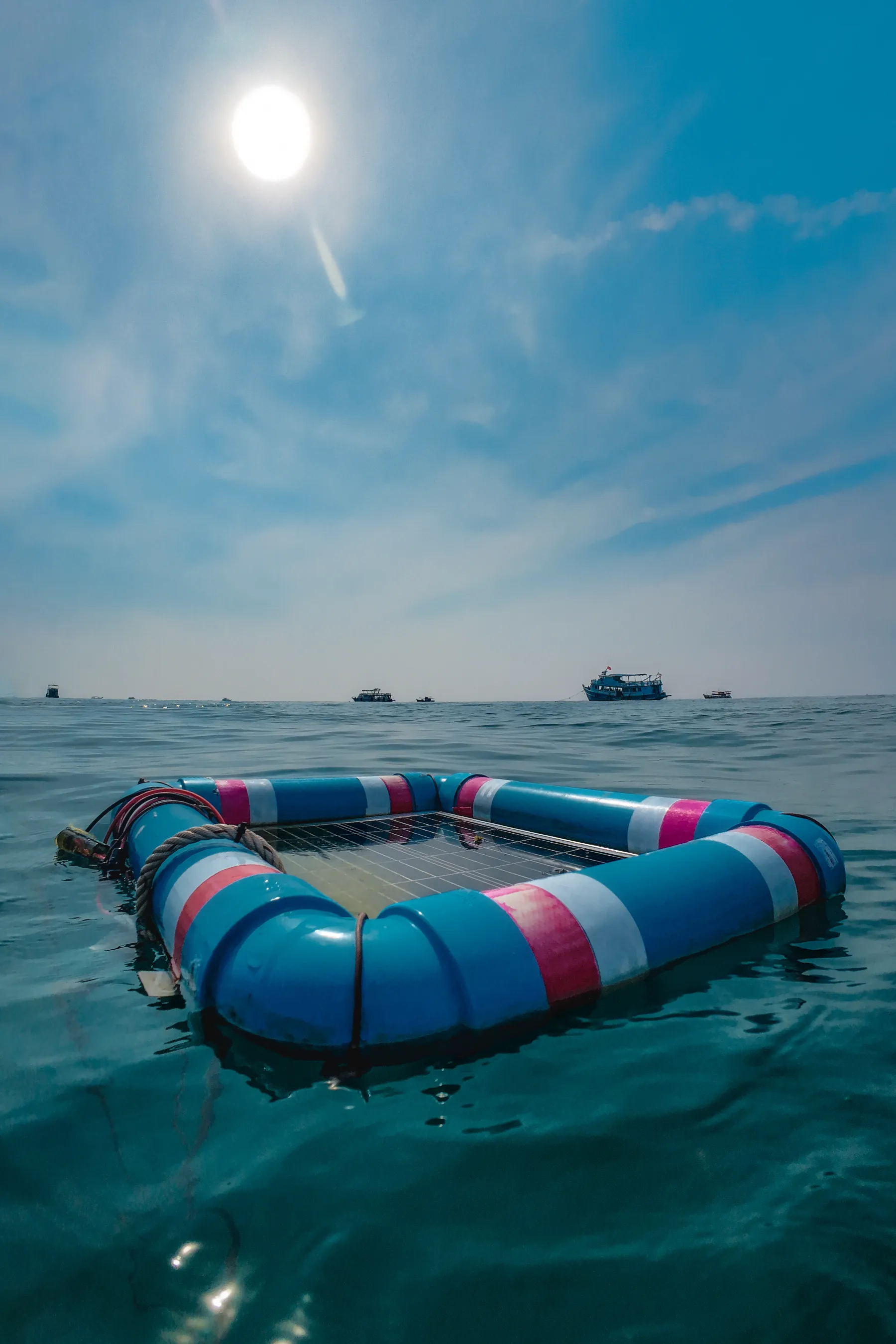
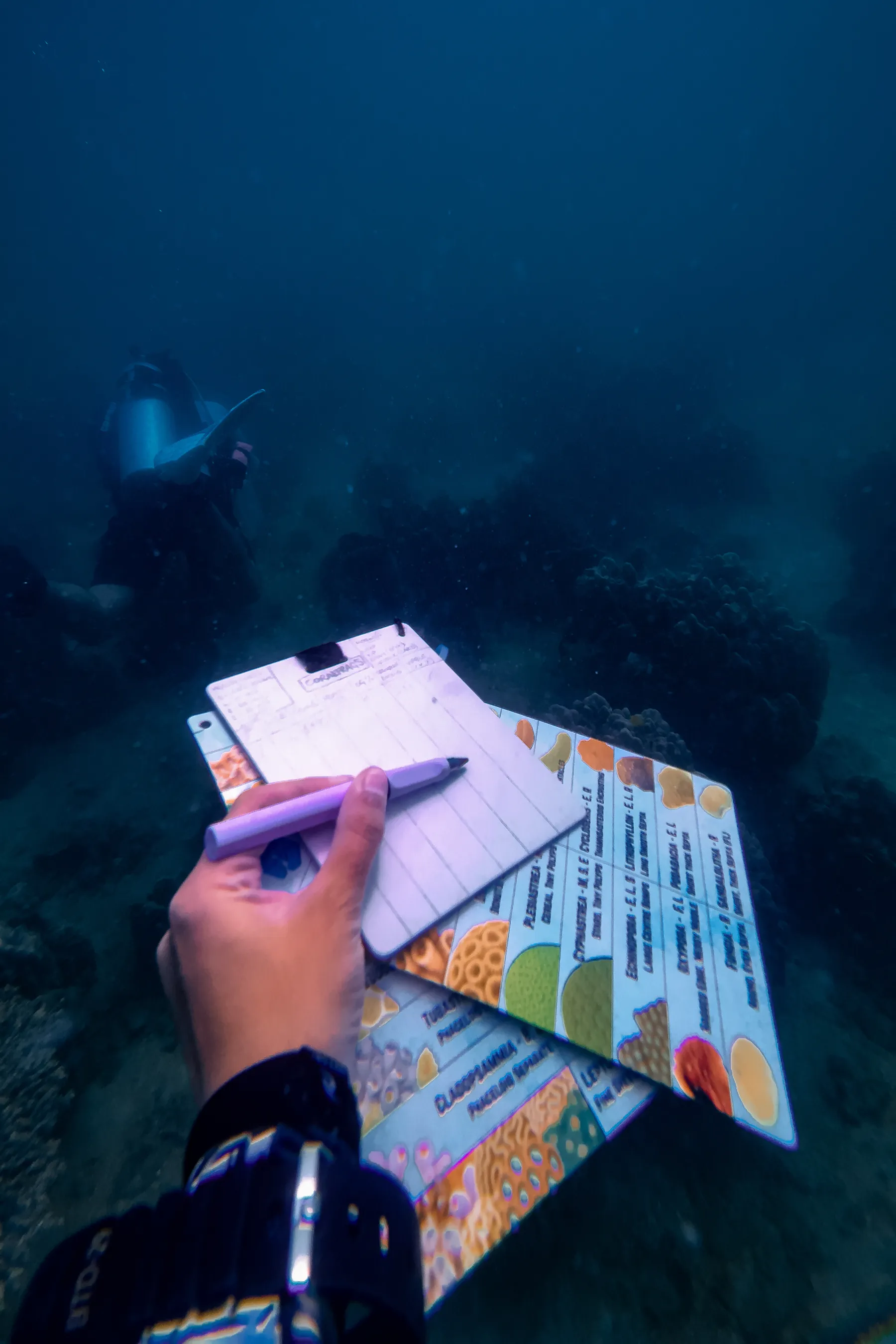
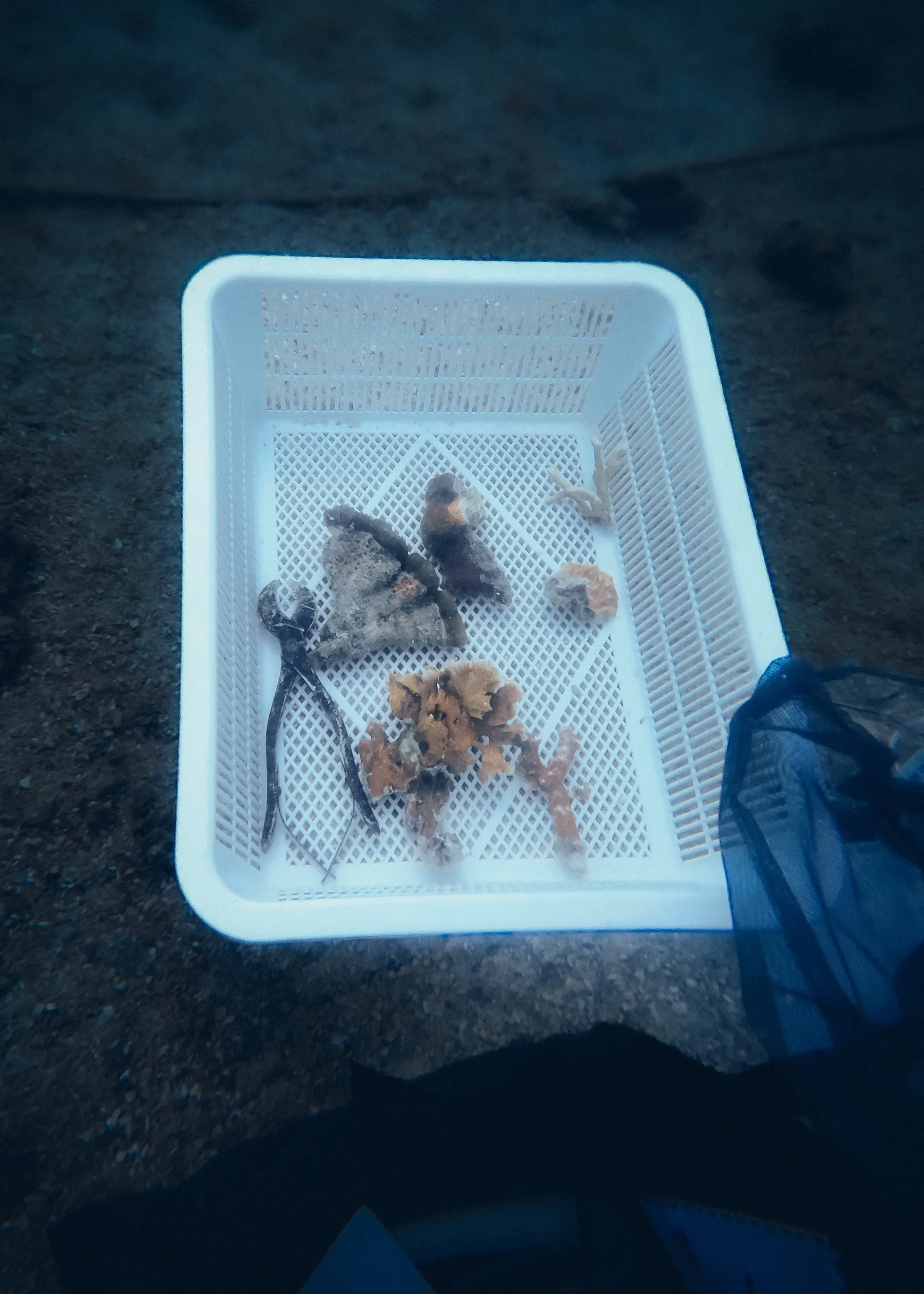
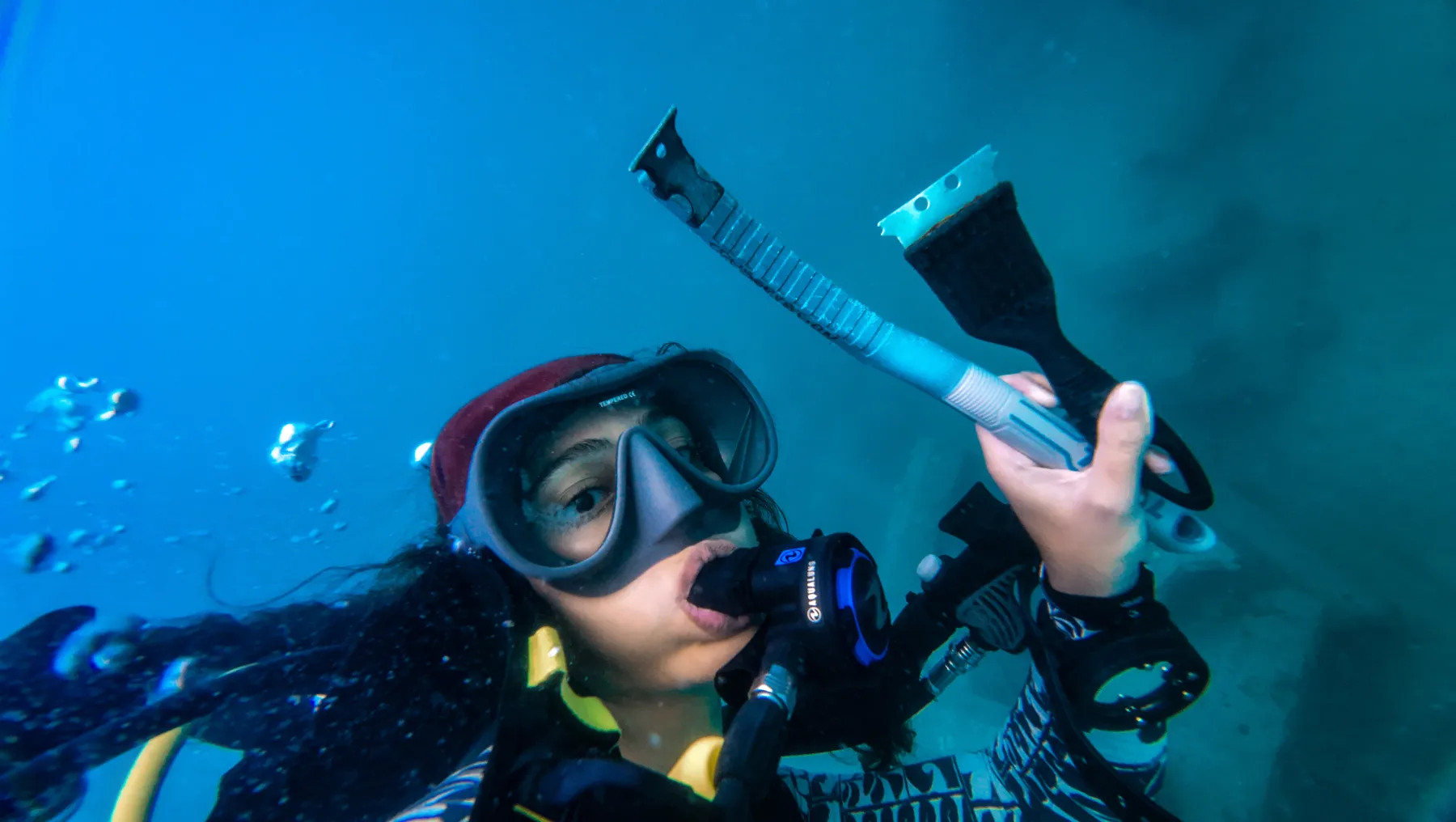
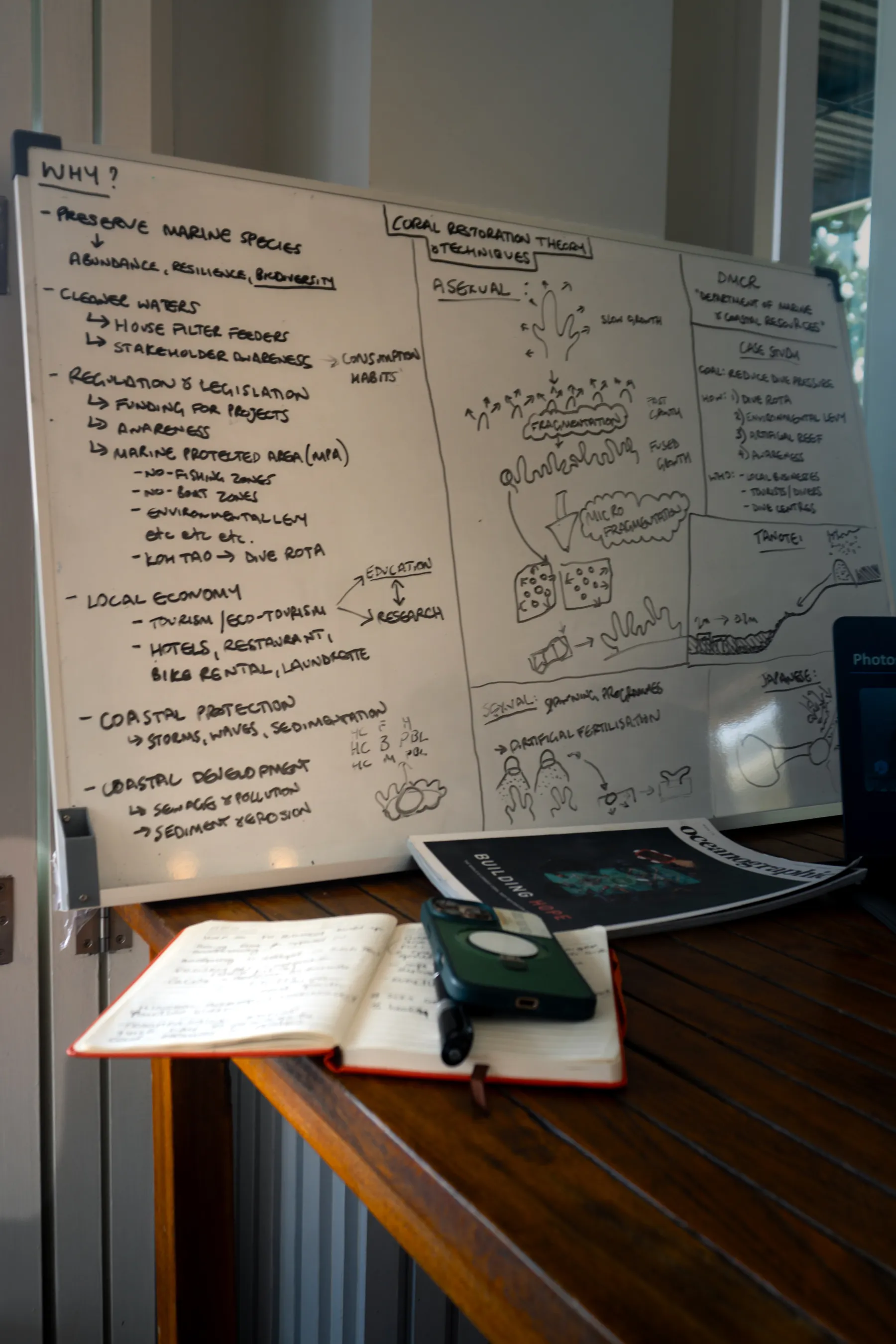
What care looks like up close, versus what damage looks like from a distance.
Streets, fieldwork, reef.
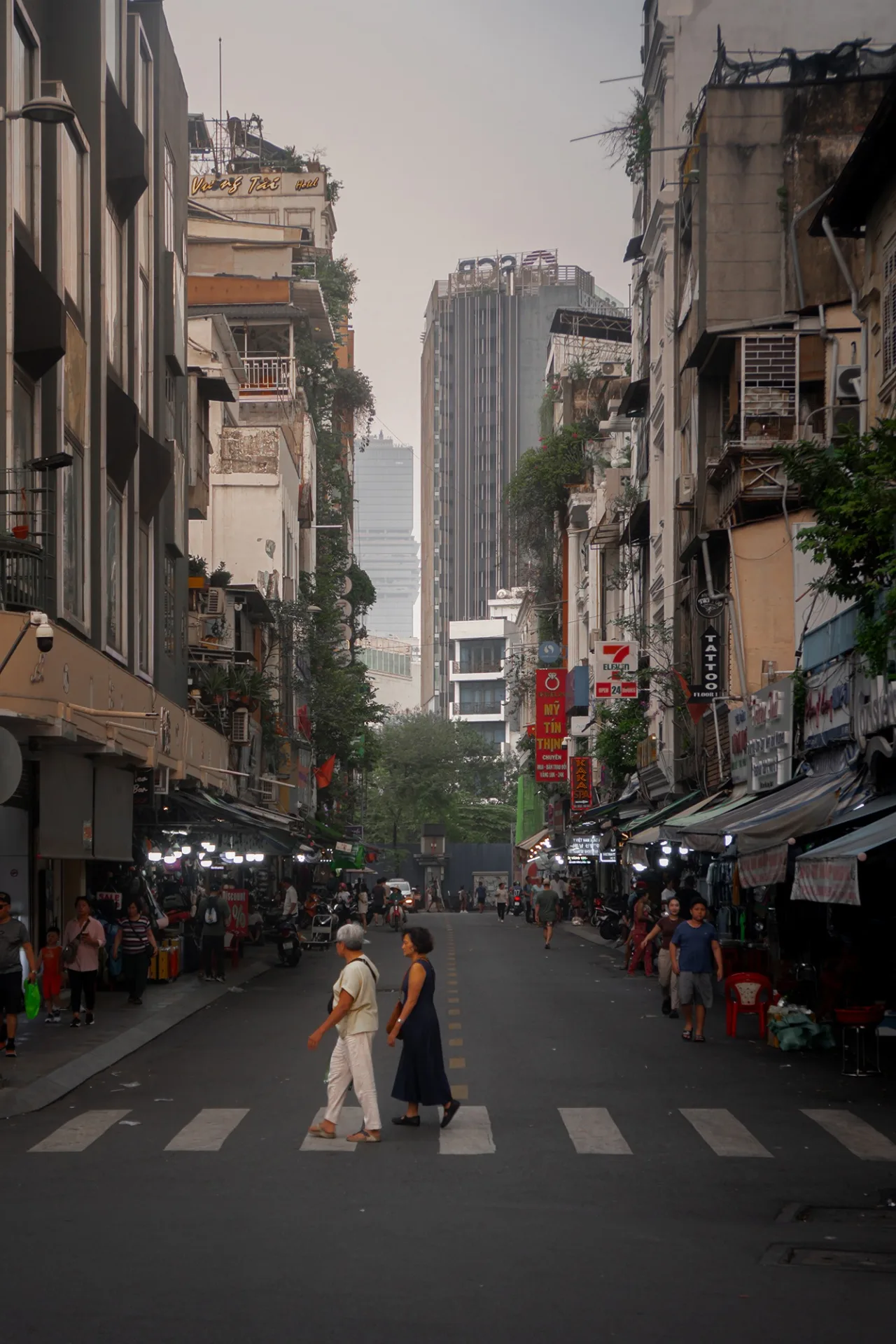
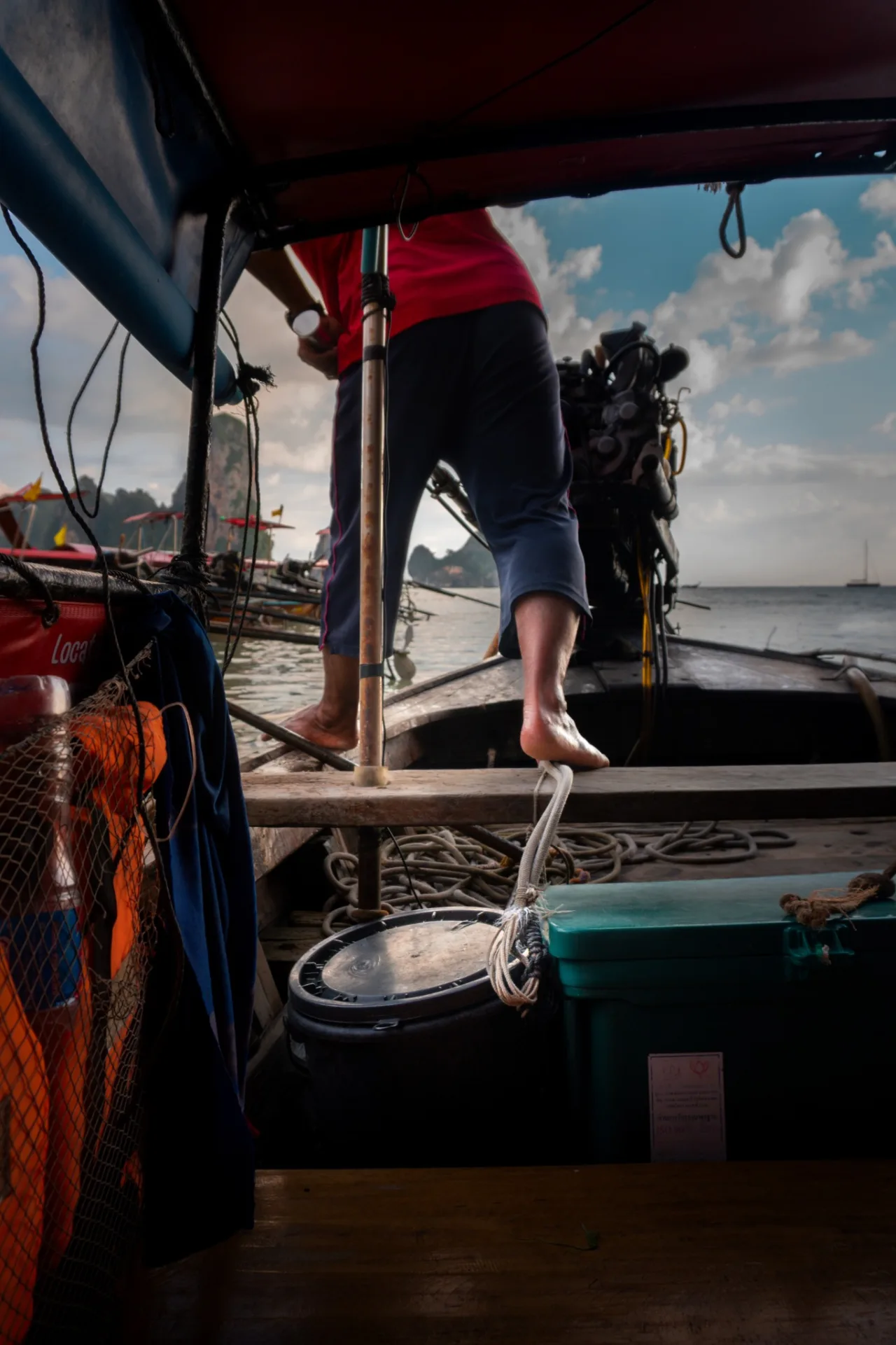
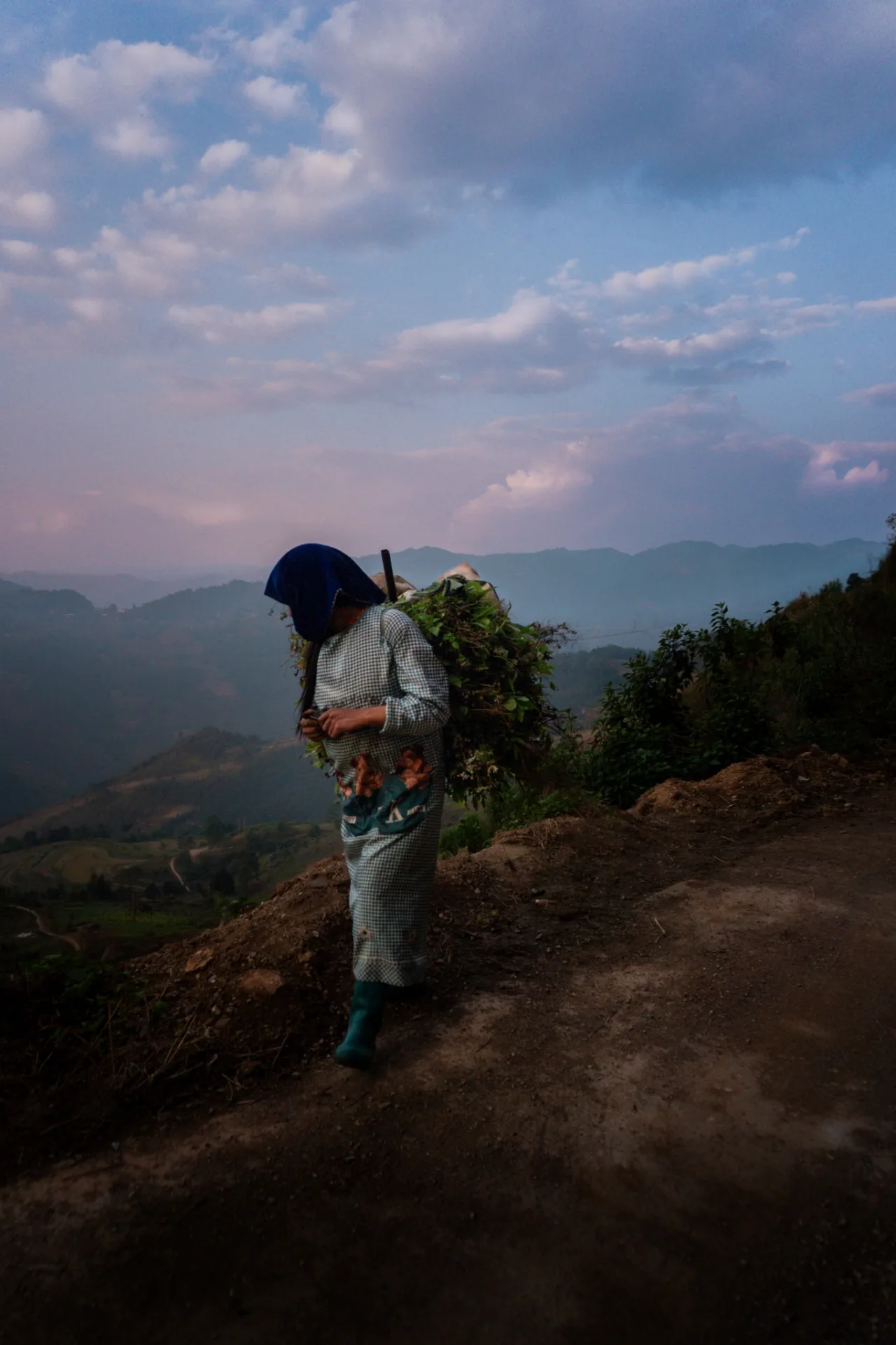
Photographs from the places the work happens. More in Selected Photography.
Looking is part of the work.
Different instruments. Same question:
What is actually happening here?
Writing, speculation, experiments.
Writing, speculative work, workshops and community. The part of the practice that does not arrive as a finished six-month case study.